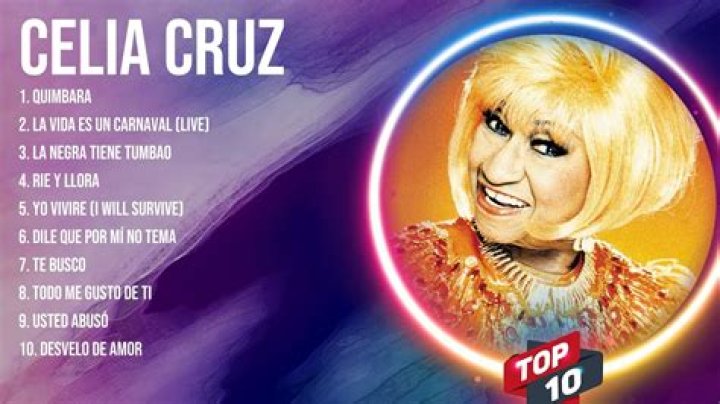
Most Popular Celia Cruz Songs
Introduction to Celia Cruz
Celia Cruz, also known as the Queen of Salsa, was a legendary Cuban-American singer who left an indelible mark on the world of Latin music. Born on October 21, 1925, in Havana, Cuba, Cruz rose to prominence during the golden age of salsa in the 1950s. Her powerful voice, electrifying stage presence, and infectious passion for music captivated audiences throughout her career, making her one of the most revered and influential artists in the genre.
Table of Contents
Cruz started her musical journey in her hometown of Havana, performing with various bands and enchanting crowds with her soulful renditions of Cuban classics. It was in the 1950s when she joined the renowned Afro-Cuban orchestra, La Sonora Matancera, that her career truly took off. Together, they recorded numerous hits and toured widely, introducing the world to Cruz’s unique vocal stylings and unmatched energy on stage.
Throughout her illustrious career, Celia Cruz released a vast repertoire of songs that showcased her incredible talent and unrivaled passion for music. Let’s dive into the top 10 most popular songs that have solidified her status as an icon in the realm of Latin music.
1. “La Vida es un Carnaval”
One of Celia Cruz’s most recognizable and beloved songs is “La Vida es un Carnaval” (Life is a Carnival). Released in 1998, this timeless anthem instantly became a hit, resonating with audiences across the globe. The song’s upbeat rhythm, coupled with Cruz’s vibrant vocals, delivers a powerful message of resilience and optimism in the face of life’s challenges. It continues to be an anthem of joy and celebration to this day.
2. “Quimbara”
Another iconic track by Celia Cruz is “Quimbara,” a collaboration with the legendary salsa musician Johnny Pacheco. Released in 1974, this electrifying salsa hit showcases Cruz’s unmatched vocal prowess and the explosive chemistry between her and Pacheco. The infectious rhythm and captivating lyrics of “Quimbara” make it an undeniable classic in Celia Cruz’s discography.
3. “Bemba Colorá”
Described as a salsa masterpiece, “Bemba Colorá” is a true testament to Cruz’s ability to infuse vibrant energy into every note she sings. With its entrancing melody and Afro-Cuban influences, the song became an instant success upon its release in 1973. Cruz’s impassioned delivery and impeccable vocal control in “Bemba Colorá” solidify its place as one of her most popular and enduring songs.
4. “Ríe y Llora”
“Ríe y Llora” (Laugh and Cry) stands as a quintessential example of the emotional depth present in Celia Cruz’s music. This heartfelt ballad, released in 1997, showcases Cruz’s ability to convey a range of emotions through her voice. With its poignant lyrics and Cruz’s expressive delivery, “Ríe y Llora” has touched the hearts of countless listeners around the world.
5. “Azúcar Negra”
“Azúcar Negra” (Black Sugar) is a lively and upbeat track that perfectly encapsulates the essence of Celia Cruz’s music. Released in 1993, this song became an instant hit due to its infectious rhythm, catchy chorus, and, of course, Cruz’s spirited vocals. “Azúcar Negra” continues to be a fan favorite and a staple in Celia Cruz’s list of greatest hits.
6. “La Negra Tiene Tumbao”
Highlighted by its captivating melody and Cruz’s commanding vocals, “La Negra Tiene Tumbao” (The Black Woman Has Swagger) became a sensational success upon its release in 2001. The song’s empowering lyrics celebrate Cruz’s Afro-Caribbean heritage and serve as an anthem of strength and self-assurance. “La Negra Tiene Tumbao” remains a powerful testament to Cruz’s legacy as an influential figure in Latin music.
7. “El Yerbero Moderno”
This classic track, released in 1965, showcases Cruz’s ability to effortlessly blend traditional Cuban rhythms with modern sounds. “El Yerbero Moderno” (The Modern Herbalist) became an instant hit, capturing the imagination of listeners with its lively melody and Cruz’s charismatic performance. The song’s timeless appeal is a testament to Cruz’s innovative approach to music.
8. “Usted Abusó”
Cruz’s rendition of the song “Usted Abusó” (You Abused) solidified her reputation as a masterful interpreter of music. Released in 1979, her soulful delivery and emotive expression breathe new life into this powerfully heartfelt ballad. Cruz’s version of “Usted Abusó” remains one of her most emotive performances, showcasing her ability to evoke powerful emotions through music.
9. “Toro Mata”
Featuring Cruz’s unmistakable vocal prowess and powerful stage presence, “Toro Mata” is an exhilarating track that exemplifies the essence of salsa. Released in 1989, this energetic song combines Cruz’s electrifying performance with a contagious rhythm that compels listeners to dance. “Toro Mata” remains a beloved favorite among salsa enthusiasts and showcases Cruz’s unparalleled ability to ignite any stage she graces.
10. “La Guagua”
“La Guagua” (The Bus) is a playful and infectious song that perfectly captures the essence of Celia Cruz’s exuberant music. Released in 1997, the track showcases Cruz’s ability to blend traditional Cuban sounds with contemporary influences, resulting in a vibrant and dance-worthy tune. With its catchy chorus and Cruz’s signature charisma, “La Guagua” remains a beloved song in Celia Cruz’s extensive repertoire.
Frequently Asked Questions about Celia Cruz Songs
1. What was Celia Cruz’s first hit song?
Cruz’s first major hit was “Yerbero Moderno,” released in 1965. This song marked the beginning of her highly successful solo career.
2. How many songs did Celia Cruz record throughout her career?
Cruz recorded over 75 albums throughout her career, solidifying her status as one of the most prolific and influential artists in Latin music.
3. Did Celia Cruz write her own songs?
While Cruz did not write the majority of her songs, she was involved in the creative process and worked closely with songwriters to ensure the songs aligned with her artistic vision.
4. What awards did Celia Cruz win during her career?
Cruz received numerous accolades and awards, including several Grammy Awards, Latin Grammy Awards, and the National Medal of Arts.
5. What made Celia Cruz’s voice unique?
Cruz’s voice was characterized by its power, range, and distinctive timbre. Her ability to convey a wide range of emotions through her vocals set her apart from other artists in the industry.
6. Are there any unreleased songs by Celia Cruz?
While there may be rare and unreleased recordings of Celia Cruz, the majority of her songs were officially released throughout her prolific career.
7. What is the most iconic song by Celia Cruz?
One of the most iconic songs by Celia Cruz is “La Vida es un Carnaval,” which has become an anthem of joy and resilience for fans around the world.
8. How did Celia Cruz’s music influence the Latin music industry?
Cruz’s music played a crucial role in popularizing salsa and bringing Afro-Cuban rhythms to the forefront of the Latin music industry. Her innovative approach and vibrant performances continue to inspire aspiring artists and captivate audiences globally.
9. Did Celia Cruz collaborate with other artists?
Throughout her career, Celia Cruz collaborated with numerous artists, including Tito Puente, Johnny Pacheco, and Willie Colón, among others. These collaborations resulted in iconic and highly acclaimed songs that contributed to the richness of Latin music.
10. What legacy did Celia Cruz leave behind?
Celia Cruz’s legacy extends far beyond her music. She broke barriers, championed diversity, and served as a symbol of empowerment for Latinx communities worldwide. Her impact on the music industry and cultural landscape is immeasurable, and her music continues to inspire and ignite the hearts of listeners.