Most Popular The Moody Blues Songs
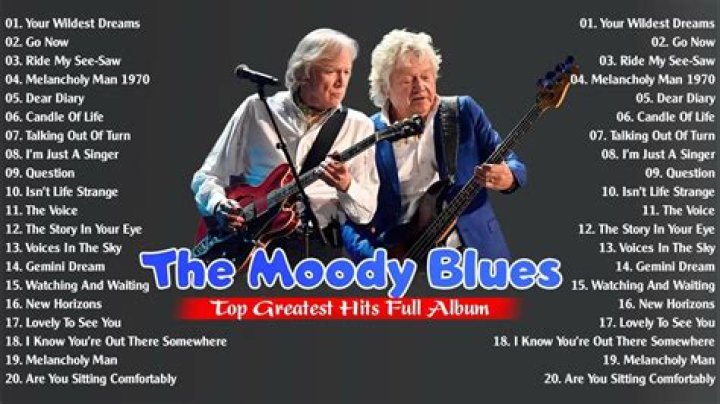
The Moody Blues: Exploring the Timeless Melodies
Table of Contents
Formed in Birmingham, England in 1964, The Moody Blues is an iconic rock band that has mesmerized music enthusiasts for more than five decades. With their distinct fusion of rock, pop, and orchestral arrangements, they have etched their name in the annals of music history. The band’s lineup boasted the exceptional prowess of Justin Hayward, John Lodge, Graeme Edge, Ray Thomas, and Mike Pinder, who together created a musical journey that transcends time.
A Glimpse into The Moody Blues’ Soundscapes
Nights in White Satin
An anthemic masterpiece from their 1967 album, “Days of Future Passed,” “Nights in White Satin” flawlessly embodies the band’s unique blend of classical music and rock. Its haunting melody and poetic lyricism earned it a place among the greatest songs of all time.
Tuesday Afternoon
Another gem from “Days of Future Passed,” “Tuesday Afternoon” takes listeners on a harmonious journey through time and space. This psychedelic tune captivates with its swirling melodies and vivid imagery, making it a timeless favorite.
Your Wildest Dreams
Released in 1986 as part of their album “The Other Side of Life,” “Your Wildest Dreams” showcases The Moody Blues’ ability to adapt to changing musical landscapes. Its catchy hook, lush orchestration, and introspective lyrics struck a chord with listeners, solidifying its popularity.
Ride My See-Saw
With its energetic and groovy vibe, “Ride My See-Saw” became an instant hit when it was released as a single in 1968. This track, known for its infectious rhythm and memorable guitar riffs, exemplifies the band’s ability to create compelling rock anthems.
The Unforgettable Melodies of The Moody Blues
Talking Out of Turn
Featured on their 1981 album “Long Distance Voyager,” “Talking Out of Turn” combines poignant lyrics with a captivating melody. This deeply introspective track showcases the band’s lyrical prowess and melodic craftsmanship, leaving a lasting impact on listeners.
Gemini Dream
From their 1981 album “Long Distance Voyager,” “Gemini Dream” stands out as a perfect embodiment of The Moody Blues’ transition into a more electronic sound. This upbeat and infectious tune became an instant hit, showcasing their ability to evolve while maintaining their signature charm.
The Voice
Released in 1981 as part of their album “Long Distance Voyager,” “The Voice” resonated with audiences worldwide. With its powerful chorus and inspiring message, this song became a timeless anthem that continues to ignite the spirits of fans, regardless of their generation.
I Know You’re Out There Somewhere
An emotional ballad released in 1988, “I Know You’re Out There Somewhere” proved that The Moody Blues still had plenty to offer. Its heartfelt lyrics and lush composition showcased the band’s continued ability to weave memorable melodies into captivating stories.
Question
One of The Moody Blues’ most recognized hits, “Question” captivated the world with its profound lyrics and anthemic sound. Originally released in 1970, this enduring classic remains a fan favorite and represents the band’s ability to create thought-provoking music.
Forever Autumn
A collaboration between The Moody Blues and Justin Hayward, “Forever Autumn” emerged as a standout track from Jeff Wayne’s musical adaptation of H.G. Wells’ “War of the Worlds.” Hayward’s enchanting vocals, coupled with the song’s elegant composition, transport listeners to a world of melancholic beauty.
Isn’t Life Strange
From their 1972 album “Seventh Sojourn,” “Isn’t Life Strange” showcases The Moody Blues’ continued exploration of introspective themes. With its introspective lyrics and sweeping orchestration, this song captures the essence of the band’s enigmatic sound.
Land of Make-Believe
Released in 1981 as part of their album “Long Distance Voyager,” “Land of Make-Believe” enchants listeners with its dreamlike atmosphere and heartfelt lyrics. This ethereal track showcases The Moody Blues’ knack for creating immersive musical experiences.
Frequently Explored Questions about The Moody Blues’ Songs
What is the inspiration behind The Moody Blues’ songs?
The Moody Blues drew inspiration from a wide array of sources, including personal experiences, philosophical concepts, and societal observations. Their songs often delved into themes of love, introspection, and the human condition, allowing listeners to embark on a profound introspective journey.
Which album should I start with to explore The Moody Blues’ discography?
To immerse yourself in the timeless melodies of The Moody Blues, “Days of Future Passed” serves as an excellent starting point. This groundbreaking album beautifully blends orchestral arrangements with rock, showcasing the band’s pioneering spirit.
Did The Moody Blues ever experiment with different musical styles?
Absolutely! Throughout their career, The Moody Blues continuously embraced different musical styles, transitioning from their early blues and R&B roots to progressive and psychedelic rock, and even incorporating electronic elements in their later albums. This versatility allowed the band to remain relevant and captivate audiences across generations.
Are The Moody Blues still active?
As of now, The Moody Blues are not actively touring or recording new music. However, their timeless discography continues to captivate and inspire fans worldwide, proving that their legacy will forever remain a vital part of the rock music landscape.
What makes The Moody Blues’ music stand the test of time?
The Moody Blues’ music endures because of its profound lyricism, innovative soundscapes, and timeless melodies. Their ability to seamlessly blend rock with orchestral elements and create thought-provoking themes has allowed their songs to transcend generations, touching the hearts and souls of listeners around the world.