The Meaning Behind The Song: Manchester; England by James Rado
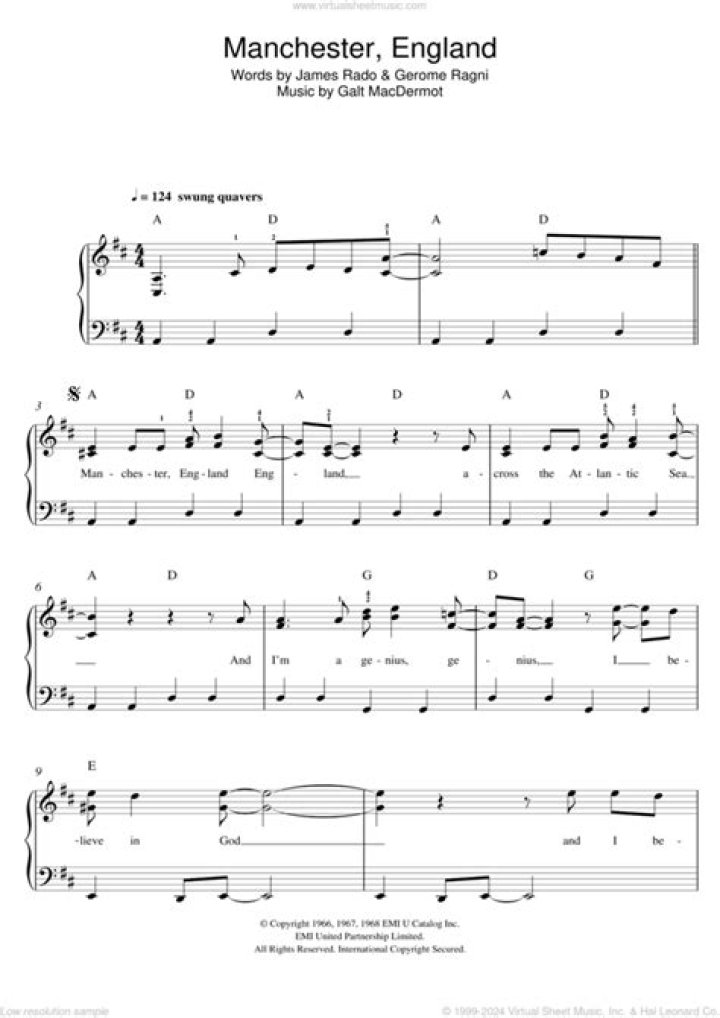
The song “Manchester; England” is a poignant and powerful composition by James Rado. Released in 1968 as a part of the iconic musical “Hair,” the song delves deep into the theme of identity and the search for belonging. Its lyrics evoke a sense of longing for a place that feels like home, exploring the complexities of self-discovery and the yearning for cultural roots. By analyzing the symbolism and lyrics of this song, we can uncover the profound meaning that lies beneath its surface.
Table of Contents
The Yearning for a Place to Call Home
The lyrics of “Manchester; England” reflect a deep yearning for a place that feels like home. It captures the essence of seeking a sense of belonging and connection to a specific location. The repetition of the phrase “I’m down on my knees” reveals the desperation and longing the protagonist feels for a place they can call their own.
Through the lines “Is there anybody there? / Does anybody care?,” the song also highlights the need for validation and acceptance. It portrays the vulnerability and isolation that often accompany the quest for belonging. These emotions resonate with listeners who have experienced similar struggles in their own lives.
Furthermore, the choice of Manchester as the focal point of the song adds another layer of significance. Manchester, a city in England with a rich cultural heritage, represents a place where the protagonist can find their roots and seek refuge from a chaotic world. The mention of England in the song’s title alludes to the longing for a connection to one’s heritage and ancestral homeland.
Exploring Identity and Self-Discovery
“Manchester; England” delves into themes of identity and self-discovery. The lyrics express a desire to uncover personal truths and find one’s authentic self. The line “Find my reflection / In the looking glass” conveys the search for self-awareness and the journey to understand one’s place in the world.
The song also touches upon societal norms and expectations, suggesting that conforming to them can hinder the process of self-discovery. Lines such as “What is it to be free? / What is it to be me?” challenge the conventional notions of identity and encourage individuality and self-expression.
In addition to its introspective lyrics, the composition of the song itself contributes to its meaning. With its haunting melody and thought-provoking harmonies, “Manchester; England” captivates the listener and serves as a catalyst for introspection and contemplation.
Frequently Asked Questions
What inspired James Rado to write “Manchester; England”?
James Rado drew inspiration for “Manchester; England” from personal experiences and observations. He wanted to portray the universal desire for belonging and identity, which many people can relate to.
Was “Manchester; England” successful on the music charts?
While “Manchester; England” didn’t top the charts, it played a significant role in the success of the musical “Hair.” The song’s profound lyrics and emotional impact resonated with audiences, contributing to the overall popularity and cultural significance of the musical.
Why did James Rado choose Manchester as the focal point of the song?
Manchester holds cultural significance, particularly in music history. It represents a place of rich artistic expression and serves as a metaphor for finding one’s roots and cultural heritage. James Rado likely chose Manchester for these reasons to enhance the song’s themes and symbolism.
What emotions does “Manchester; England” evoke in listeners?
“Manchester; England” evokes a range of emotions, including longing, nostalgia, and a sense of yearning for belonging. Listeners often resonate with its themes of self-discovery and the search for identity.
How does “Manchester; England” relate to the broader themes of the musical “Hair”?
“Manchester; England” aligns with the broader themes of “Hair,” which include anti-establishment sentiments, the search for freedom, and questioning societal norms. The song’s introspective nature complements the musical’s exploration of counterculture and individuality.
Did James Rado write any other songs with similar themes?
James Rado has written various songs with similar themes of self-discovery, identity, and societal critique. Some notable examples include “Let the Sunshine In” and “Aquarius,” which are also featured in the musical “Hair.”
What impact did “Manchester; England” have on the music industry?
“Manchester; England” contributed to the cultural and musical revolution sparked by the musical “Hair.” It challenged traditional songwriting conventions and showcased the power of lyrical storytelling, paving the way for more introspective and meaningful compositions.
How does “Manchester; England” resonate with listeners today?
Even decades after its release, “Manchester; England” continues to resonate with listeners. Its themes of individuality, self-expression, and the desire for connection still hold relevance in contemporary society.
What other interpretations of “Manchester; England” exist?
Interpretations of “Manchester; England” may vary among listeners. Some may associate the song with political movements or relate it to personal experiences of searching for belonging. Its introspective nature makes it open to multiple interpretations.
Has “Manchester; England” been covered by other artists?
Over the years, “Manchester; England” has been covered by various artists who have added their unique interpretations to the song. These covers pay tribute to the enduring appeal and significance of James Rado’s composition.
What is the legacy of “Manchester; England”?
The legacy of “Manchester; England” lies in its ability to capture the universal human experience of searching for identity and belonging. It will continue to be remembered as a powerful song that encourages introspection and self-discovery.
Why is “Manchester; England” considered a timeless piece of music?
“Manchester; England” is considered a timeless piece of music because its themes and emotions transcend time and generation. The song’s lyrical depth and musicality make it relatable and enduring, resonating with listeners across different eras.